How Metal Roof Light Panels Boost Energy Efficiency and Reduce Utility Costs
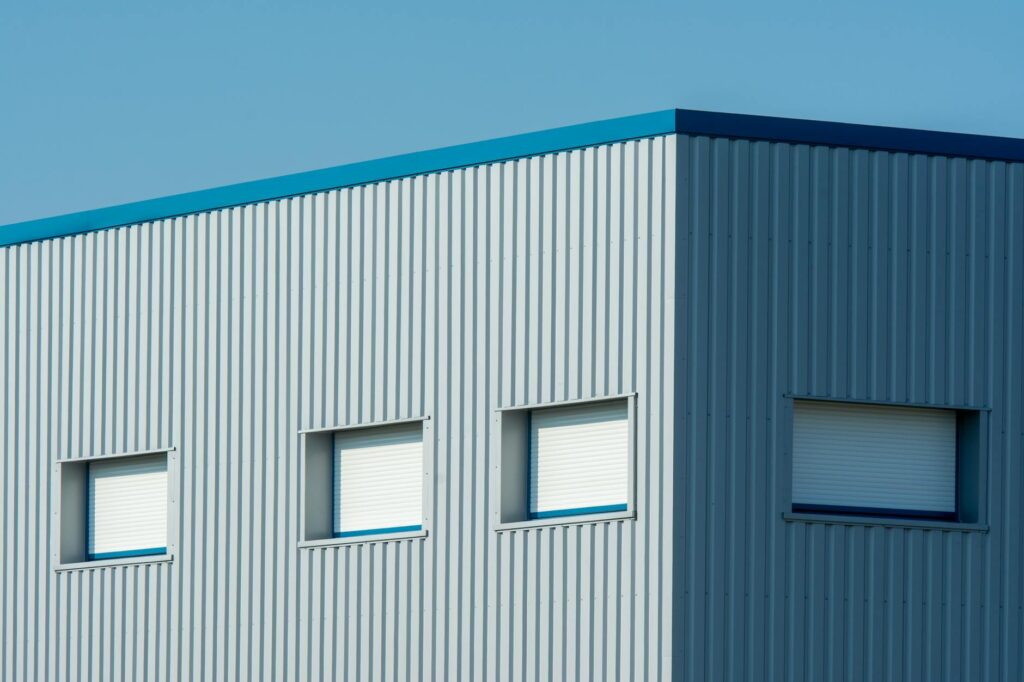
When it comes to enhancing energy efficiency in buildings, metal roof light panels are quickly gaining popularity. These innovative panels integrate seamlessly with metal roofing systems, allowing natural light to flood interior spaces while maintaining the durability and weather resistance of metal roofs. By capitalizing on natural daylight, these panels offer numerous benefits that not only improve comfort and aesthetics but also significantly reduce utility costs.
What Are Metal Roof Light Panels?
Metal roof light panels are translucent or transparent sections incorporated into metal roofing. Made from materials such as polycarbonate, fiberglass, or acrylic, these panels allow sunlight to penetrate through the roof while providing insulation and protection against weather elements. They are designed to fit perfectly within the profile of standing seam metal roofs or metal shingles without compromising the roof’s structural integrity.
These panels serve as an excellent alternative to traditional skylights or artificial lighting by bringing natural daylight directly into spaces that typically rely on electric lighting. They are especially useful in commercial buildings, warehouses, industrial facilities, and even residential garages or sunrooms.
Enhancing Energy Efficiency with Natural Daylighting
One of the most significant ways metal roof light panels boost energy efficiency is by reducing the need for electrical lighting during daylight hours. Lighting can represent up to 30% of a building’s electrical energy consumption, depending on its size and function. By installing these light-transmitting panels, buildings capitalize on free, natural sunlight to illuminate interiors, thereby cutting down on the amount of electricity required.
Natural daylighting not only reduces lighting energy costs but can also positively impact the heating and cooling loads of a building. During colder seasons, sunlight streaming through the panels contributes passive solar heat gain, helping to naturally warm the interior spaces and reducing the heating demand. Conversely, many metal roof light panels are engineered with UV filters and coatings to prevent excessive heat buildup during warmer months, preventing unwanted cooling loads.
Reducing Utility Costs over Time
The reduction in energy consumption directly translates to lower utility bills. While the initial investment in metal roof light panels might be higher than standard roofing materials, the long-term savings often justify the cost. Building owners can see a marked decrease in monthly electricity expenses due to reduced reliance on artificial lighting.
Additionally, because these panels allow for better control of indoor lighting and thermal performance, buildings often experience a decrease in heating and cooling expenses. This double effect — lowering both lighting and HVAC loads — contributes to a more controlled and efficient energy profile for the building.
Moreover, some energy codes and sustainability certification programs recognize the inclusion of natural daylighting panels, making buildings eligible for incentives or rebates. This can further offset the upfront costs associated with installation and encourage wider adoption.
Environmental and Health Benefits
Beyond cost savings, installing metal roof light panels contributes to environmental sustainability. By cutting down on energy consumption, buildings reduce their carbon footprint and reliance on fossil fuel-generated electricity. Utilizing natural sunlight is a clean and renewable resource that aligns with green building principles.
From a human perspective, enhanced access to natural light has been linked to improved mood, productivity, and overall well-being. Spaces illuminated naturally tend to be more welcoming and comfortable, which can be a boon for workplaces or homes alike.
Installation and Maintenance Considerations
Metal roof light panels require expert installation to ensure proper sealing and integration with the metal roof system. Since these panels must resist weather infiltration while maintaining light transmission, professionals often use specialized flashing and fasteners to create durable, watertight assemblies.
Fortunately, these panels are designed to be low maintenance. Unlike traditional skylights, which may require frequent cleaning and repairs due to glass fragility, metal roof light panels from polycarbonate or fiberglass offer toughness and resistance to impact, UV degradation, and discoloration. Routine inspections and cleaning are typically sufficient to keep them in optimal condition.
Conclusion
Metal roof light panels offer a smart, energy-efficient solution for modern buildings looking to reduce their energy footprint and cut utility costs. By harnessing natural daylight while maintaining the robustness of metal roofing systems, they pave the way for sustainable, comfortable interior environments. Whether for commercial or residential applications, these panels represent an investment that pays dividends in energy savings, environmental impact, and occupant well-being. For anyone considering options to elevate energy performance and lower operating expenses, metal roof light panels are certainly worth exploring.