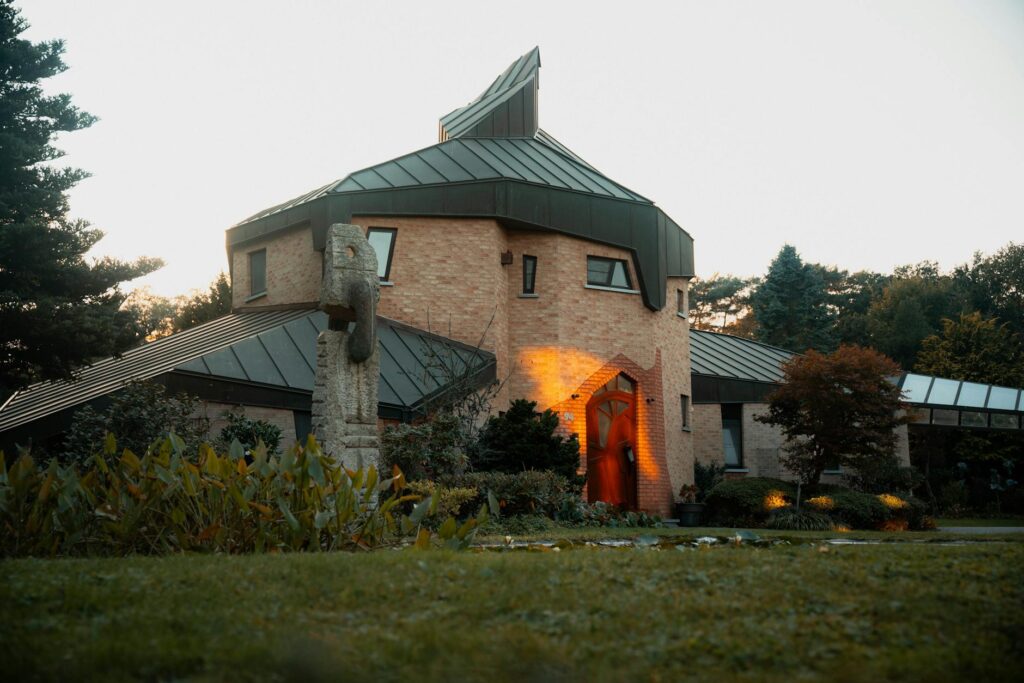
How to Choose the Perfect Light Metal Roof for Your Home: Expert Tips and Guide
When it comes to selecting roofing materials, a light metal roof has become an increasingly popular choice among homeowners. Known for its durability, energy efficiency, and aesthetic appeal, a light metal roof offers numerous benefits that make it stand out from traditional roofing options. However, choosing the perfect light metal roof for your home involves careful consideration of various factors to ensure you get the ideal match for your needs. This expert guide will walk you through everything you need to know to make an informed decision.
Why Consider a Light Metal Roof?
Light metal roofing is favored because it combines the strength of metal with the advantage of being lightweight. This combination reduces the structural load on your home, leading to fewer repairs and better longevity. Additionally, light metal roofs reflect solar radiant heat, which helps keep your home cooler and reduces energy bills, especially in warmer climates.
Understanding Different Types of Light Metal Roofs
Before diving into the specifics, it’s important to familiarize yourself with the common types of metal roofing materials. The most prevalent options include:
– Aluminum: Highly resistant to corrosion and ideal for coastal areas with salty air, aluminum is lightweight and easy to install.
– Steel: Usually coated with zinc or another protective layer to prevent rusting, steel offers excellent strength and durability.
– Copper: Known for its longevity and unique aesthetic, copper roofs develop a natural patina over time but tend to be more expensive.
– Zinc: Provides natural self-healing properties where scratches or dents can repair themselves, contributing to a longer lifespan.
Choosing the right metal type depends on your geographical location, budget, and style preferences.
Key Factors to Consider When Choosing a Light Metal Roof
1. Weight and Structural Support
Light metal roofs are lighter than traditional roofing materials like clay tiles or asphalt shingles. Still, you should ensure your home’s structure can accommodate the roofing material you select. Consult with a structural engineer or roofer to assess whether reinforcement is necessary.
2. Durability and Longevity
One of the main benefits of metal roofs is their lifespan, often lasting 40 to 70 years when properly maintained. However, not all light metal roofing materials are created equal. Aluminum, for instance, resists corrosion better than steel, making it suitable for humid or coastal environments.
3. Energy Efficiency
Choosing light metals with high solar reflectance and emissivity can drastically reduce heat absorption, helping your home stay cooler in summer. Some manufacturers offer coatings that enhance energy efficiency by reflecting the sun’s rays, which can lead to significant savings on air conditioning costs.
4. Style and Color Options
Metal roofs come in a wide variety of styles and colors, from traditional standing seam panels to metal shingles that mimic wood or slate. Decide on a design that complements your home’s architecture. Lighter colors generally reflect more sunlight, boosting energy efficiency.
5. Cost and Installation
While light metal roofs tend to have a higher upfront cost than asphalt shingles, their long-term benefits often justify the investment. Costs will vary depending on the metal type, style, and complexity of installation. Hiring experienced professionals ensures a proper fit and finish, preventing leaks and maximizing roof lifespan.
Installation Tips for Light Metal Roofs
Proper installation is critical to maximizing the benefits of a light metal roof. Here are a few expert tips to consider:
– Hire reputable contractors who specialize in metal roofing.
– Inspect the underlayment to ensure it protects against moisture.
– Use appropriate fasteners to avoid leakage and wind damage.
– Schedule regular inspections after installation to catch potential issues early.
Maintenance and Care for Your Light Metal Roof
One of the perks of a light metal roof is minimal maintenance. Periodic inspections to check for debris, clean gutters, and address minor scratches or dents will keep your roof in top shape. Also, consider reapplying reflective coatings every few years to maintain energy efficiency.
Environmental Benefits of Light Metal Roofs
Installing light metal roofing aligns with eco-friendly building practices. Metal roofs are often made from recycled materials, are fully recyclable at the end of their lifecycle, and contribute to reducing urban heat islands because of their reflective properties.
—
Choosing the perfect light metal roof for your home is a decision that combines aesthetics, functionality, and longevity. By understanding the different materials, weighing the key factors such as durability and energy efficiency, and ensuring professional installation, you can enjoy the numerous benefits this roofing option has to offer. With an ideal light metal roof, you not only protect your home but also enhance its value and comfort for years to come.