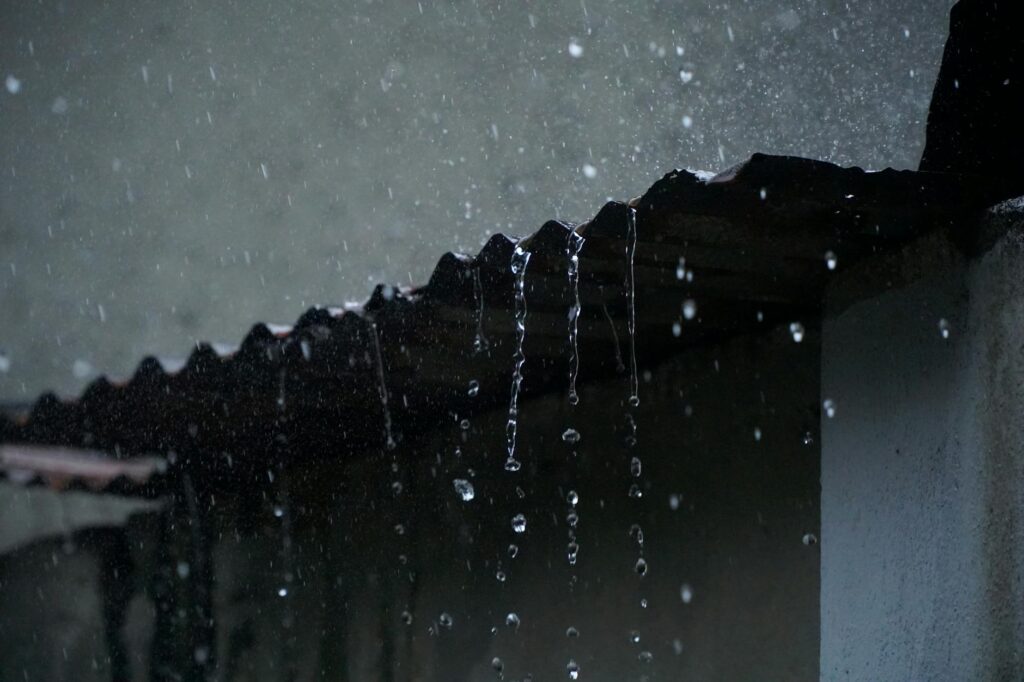
Top Advantages of Installing a Metal Roof for Any Climate Durability and Efficiency
When considering roofing options, the advantages of installing a metal roof extend far beyond just aesthetics. Metal roofs have surged in popularity due to their remarkable durability and impressive efficiency, making them a smart choice for homeowners in virtually any climate. Whether you live in a region plagued by harsh winters, scorching summers, or heavy rainfall, a metal roof can provide lasting protection while offering several other compelling benefits.
Durability: A Long-Term Investment for Your Home
One of the most significant advantages of installing a metal roof is its outstanding durability. Unlike traditional asphalt shingles that may only last 15 to 20 years, metal roofing materials can last anywhere from 40 to 70 years or more when properly maintained. This longevity stems from metal’s innate resistance to common roofing problems such as cracking, warping, and rotting.
Metal roofs are highly resistant to extreme weather conditions like hail, heavy snow, and high winds. For example, in areas prone to hurricanes or severe storms, metal roofing can withstand wind speeds up to 140 miles per hour or more, reducing the chance of costly repairs or full replacement after a storm. Additionally, metal roofs are non-combustible, providing excellent fire resistance and peace of mind in wildfire-prone zones.
Energy Efficiency: Lower Your Utility Bills
Another compelling reason to choose a metal roof is its superior energy efficiency. Metal roofing materials reflect solar radiant heat, which helps keep your home cooler during the hot summer months. This reflective property can reduce cooling costs by up to 25%, leading to significant savings on air conditioning bills.
Beyond reflection, many metal roofs also have coatings with special pigments designed to increase energy efficiency even further. These coatings can inhibit heat absorption and promote better heat dissipation, making metal roofs an environmentally friendly option that contributes to reducing your carbon footprint. With rising energy costs, this benefit makes metal roofs an excellent choice for homeowners looking to save money while minimizing environmental impact.
Adaptability: Suitable for Any Climate
Installing a metal roof is a versatile option due to its adaptability to various climatic conditions. In cold climates, metal roofs are particularly beneficial because they shed snow easily, preventing heavy snow accumulations that could lead to roof damage or collapse. The smooth, hard surface allows snow to slide off rather than building up in large, potentially dangerous drifts.
In warmer or humid climates, metal roofs resist mold, mildew, and insect infestations better than many other roofing materials. This resistance helps maintain the integrity and appearance of the roof over time. Moreover, metal roofs are effective in handling moisture thanks to their non-porous surfaces, which prevent water absorption and lower the risk of leaks or rot.
Low Maintenance and Easy Installation
Compared to other roofing options, metal roofs require minimal maintenance. They do not need frequent inspections for missing or damaged shingles, and their resistance to mold and insect damage further cuts down on upkeep efforts. Occasional cleaning and inspection for loose fasteners or gutters is typically enough to keep a metal roof functioning well for decades.
When it comes to installation, metal roofs are relatively lightweight, which can simplify the installation process and reduce labor costs. This also means that many existing roof structures can support a metal roof without needing structural reinforcement. The ease of installation can translate to less disruption for homeowners during the roof replacement project.
Environmental Benefits: Recycling and Sustainability
Sustainability is a growing concern in home construction and renovation, and metal roofing stands out as an environmentally responsible choice. Most metal roofs are made from recycled materials and are 100% recyclable at the end of their lifespan. This reduces the amount of waste sent to landfills compared to asphalt or other traditional roofing materials.
In addition to recyclability, the long lifespan and energy-saving properties of metal roofs contribute to their overall sustainability. Fewer replacements mean less resource consumption over time, and improved energy efficiency helps reduce greenhouse gas emissions related to heating and cooling.
Conclusion
Considering the many top advantages of installing a metal roof—from exceptional durability, energy efficiency, and adaptability across various climates to low maintenance and sustainability—it becomes clear why metal roofing is a wise investment for any homeowner. Whether you’re looking to protect against extreme weather, reduce energy costs, or embrace a more eco-friendly home, metal roofing offers a blend of toughness and smart design that few other roofing materials can match. By choosing a metal roof, you ensure a lasting, efficient, and aesthetically appealing solution that will stand the test of time.