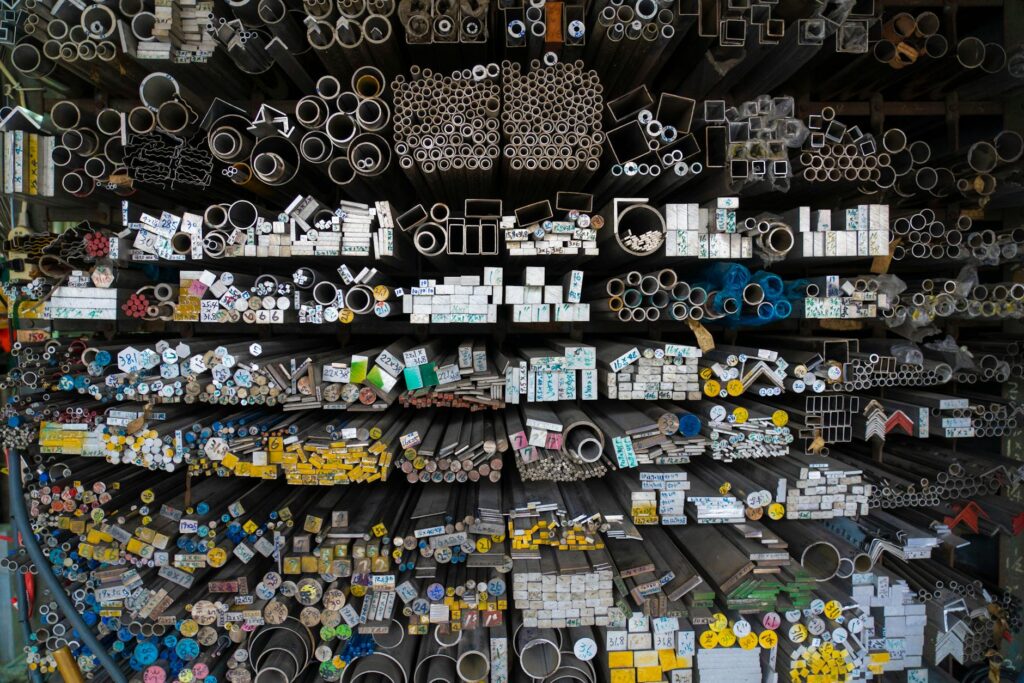
Durable Stainless Steel L-Channel for Versatile Construction and Structural Support
When it comes to building strong, reliable structures, using the right materials is crucial. Durable stainless steel L-channel has become an essential component in a wide range of construction and structural support applications. Known for its strength, versatility, and resistance to corrosion, stainless steel L-channel offers numerous advantages that make it a preferred choice among architects, engineers, and builders alike.
What is a Stainless Steel L-Channel?
A stainless steel L-channel is a type of metal profile shaped like the letter “L,” featuring two perpendicular flanges that form a 90-degree angle. These channels are commonly manufactured from stainless steel, which provides exceptional durability and resistance to rust, staining, and harsh environmental conditions. The L-channel’s unique shape adds to its load-bearing capacity, making it ideal for reinforcing structures and providing edge protection.
Why Choose Durable Stainless Steel L-Channel?
One of the standout features of stainless steel L-channel is its durability. Unlike materials such as aluminum or standard steel, stainless steel has excellent resistance to oxidation and corrosion. This is especially important in construction settings where the L-channel may be exposed to moisture, chemicals, or extreme weather. Durable stainless steel L-channel maintains its structural integrity over time, reducing the need for costly repairs or replacements.
Additionally, stainless steel offers high tensile strength and toughness, allowing it to support substantial loads without warping or deforming. This capability makes it highly suitable for framing, bracing, and reinforcing applications in both commercial and residential construction projects.
Applications of Stainless Steel L-Channel in Construction
Structural Support and Framing
Durable stainless steel L-channel plays a vital role in structural support systems. It is commonly used to create strong frameworks that hold walls, floors, and ceilings in place. The L-shape provides added rigidity to corners and edges, distributing weight evenly to prevent deformation under load. Builders often rely on these channels for framing staircases, doorways, and windows, ensuring the structure remains stable and square.
Edge Protection and Finishing
In addition to structural reinforcement, stainless steel L-channel serves as protective edging for panels, glass, and other materials. Its sharp but smooth edges provide a neat, finished appearance while preventing damage to vulnerable surfaces. This protective function is especially useful in areas with high foot traffic or where equipment is frequently moved.
Support for Mechanical and Electrical Installations
Beyond structural purposes, stainless steel L-channel is widely used to mount and support mechanical, electrical, and plumbing (MEP) systems within buildings. It provides a sturdy base for securing pipes, conduits, and cable trays, ensuring these systems remain organized and reliable over their operational lifespan.
Advantages Over Other Materials
Using durable stainless steel L-channel instead of other materials like aluminum, carbon steel, or plastic offers several key benefits:
– Corrosion Resistance: Stainless steel’s chromium content creates a passive oxide layer that prevents rust.
– Strength and Stability: Higher tensile strength allows for longer spans and heavier loads.
– Low Maintenance: Minimal upkeep and longer service life reduce overall project costs.
– Aesthetic Appeal: Polished stainless steel has a modern, clean look suitable for exposed architectural elements.
– Environmental Resistance: Performs well in extreme temperatures and harsh chemical environments.
Factors to Consider When Selecting Stainless Steel L-Channel
When choosing stainless steel L-channel for a particular project, consider the following:
– Grade of Stainless Steel: Common grades like 304 or 316 stainless steel offer different resistance levels to corrosion and chemicals. Grade 316, for example, is preferable in marine or high-salinity environments.
– Size and Thickness: The flange length and thickness should match the structural requirements of the application to ensure adequate support and durability.
– Finish Type: Options include brushed, polished, or matte finishes, depending on whether aesthetic or functional considerations take precedence.
– Load Requirements: Calculate the expected load-bearing demands to select the proper L-channel profile that will perform without bending or failure.
Installation Tips for Optimal Performance
Proper installation is critical to fully benefit from the strength and resilience of stainless steel L-channel:
– Secure Fastening: Use corrosion-resistant fasteners like stainless steel screws or rivets to avoid galvanic corrosion.
– Accurate Cutting and Measuring: Ensure precise cuts to maintain dimensional integrity and tight fits.
– Avoid Contact with Dissimilar Metals: To prevent corrosion, avoid direct contact between stainless steel and more reactive metals.
Conclusion
Durable stainless steel L-channel is a versatile and indispensable material in modern construction and structural support. Its superior mechanical properties, durability, and aesthetic flexibility make it an excellent choice for builders looking to create safe, long-lasting structures. By understanding its applications, benefits, and proper selection criteria, professionals can effectively leverage stainless steel L-channel to enhance the strength and quality of their projects. Whether reinforcing a high-rise frame or protecting the edges of architectural finishes, stainless steel L-channel delivers unmatched performance in demanding environments.