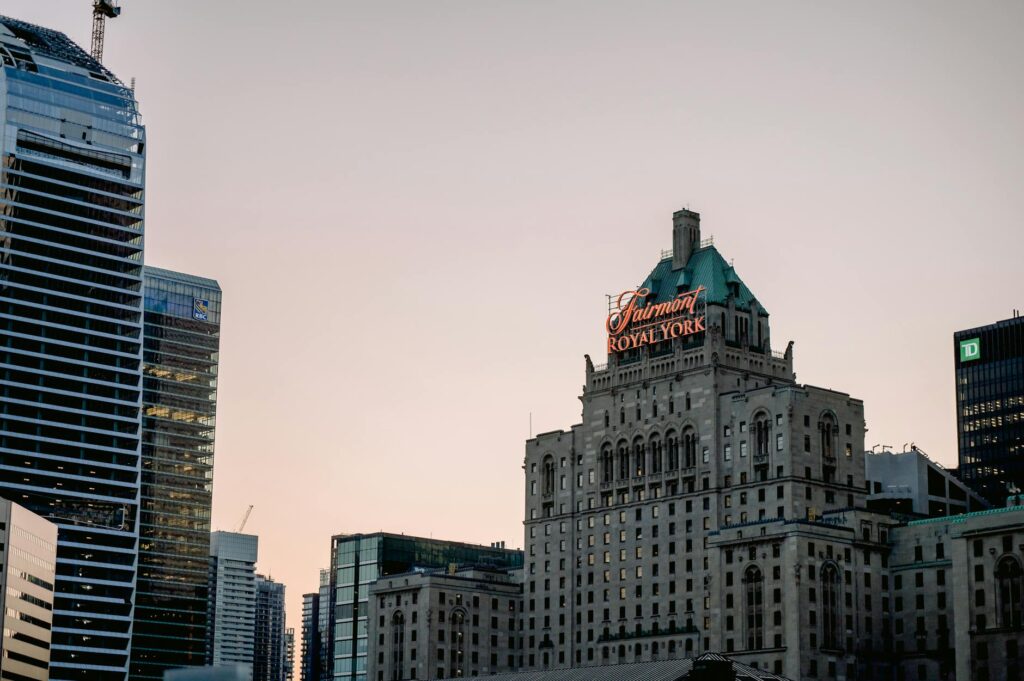
Fairmont Royal York History: Stunning Legacy of Toronto’s Best Hotel
Fairmont Royal York history is a captivating journey through time, reflecting Toronto’s transformation from a bustling 19th-century hub to a modern, vibrant metropolis. This iconic hotel, a symbol of luxury, elegance, and architectural grandeur, has stood as a witness to countless pivotal moments in the city’s development. Beyond being just a place of accommodation, the Fairmont Royal York has embraced a remarkable legacy, intertwining culture, politics, and hospitality, making it one of Toronto’s most treasured landmarks.
Origins and Early Years: The Birth of a Landmark
The story of the Fairmont Royal York began in the mid-1920s, during a period of rapid expansion in Canadian rail travel. Built by the Canadian Pacific Railway (CPR), the hotel was designed to cater to affluent travelers arriving by train, seeking upscale lodging and amenities. Opening its doors in 1929, it was then the tallest building in the British Commonwealth, standing at 28 stories high.
Its grand opening coincided with the onset of the Great Depression, yet the hotel’s reputation as a beacon of luxury was undeterred. Featuring 1,048 rooms, the Royal York boasted many cutting-edge conveniences for its time, such as elevators, air-conditioning in select areas, and an advanced heating system. The architectural style— a mix of Beaux-Arts and Chateauesque elements— offered guests a blend of French elegance and modern sophistication, setting new standards for hospitality in Toronto.
Fairmont Royal York History: A Hub for Celebrities and Dignitaries
Throughout its extensive history, the Fairmont Royal York has hosted an impressive roster of notable figures. From world leaders and politicians to legendary entertainers and sports stars, the hotel has been a preferred destination for those seeking comfort and prestige.
During World War II, the hotel played an essential role, serving as a meeting place for military officials and dignitaries. The lavish ballrooms and suites were often the backdrop for diplomatic negotiations and social gatherings, further cementing the Royal York’s status as a key venue for important events.
In addition to political significance, the hotel has a rich cultural heritage. It has welcomed the likes of Frank Sinatra, The Beatles, and Queen Elizabeth II, among others. Royal visits and celebrity stays have continuously elevated the hotel’s global reputation, contributing to the allure and charm that attract visitors to this day.
Architectural Evolution and Modernization
The Fairmont Royal York has undergone several renovations and expansions to maintain its premier status. One notable addition was the construction of the South Annex in 1959, increasing the hotel’s capacity and offering more contemporary accommodations.
Despite these updates, careful preservation efforts have ensured that the hotel retains its historical character. The stunning lobby, adorned with a grand clock dating back to the hotel’s opening, remains a central feature admired by both guests and tourists. The combination of original intricate woodwork, marble pillars, and modern art creates an atmosphere where history meets the present.
The hotel’s commitment to sustainability and modernization has also been evident with recent technological upgrades, enhanced guest services, and improved accessibility—all while respecting the architectural integrity that defines its visual appeal.
Role in Toronto’s Urban Landscape
Situated at the heart of Toronto’s downtown, the Fairmont Royal York not only serves visitors but also significantly contributes to the city’s identity. Its proximity to Union Station, the financial district, and cultural institutions places it at a strategic nexus of business and leisure activities.
Over decades, the hotel has witnessed the city’s growth, from expanding skyscrapers to evolving neighborhoods. It has featured prominently in Toronto’s cultural fabric, often appearing in films, television shows, and literature that celebrate urban life.
Tourists and locals alike appreciate the Royal York not just for its luxury accommodation but as an experiential link to Toronto’s past. Walking through its halls offers a narrative of the city’s heritage, reflecting social changes, architectural trends, and economic shifts over nearly a century.
Fairmont Royal York History: Preserving Legacy Through Hospitality
Today, the Fairmont Royal York continues to thrive as a symbol of Toronto’s hospitality excellence. Its exceptional service, combined with historic ambiance, appeals to a diverse range of guests—from international tourists to business travelers and local event attendees.
The hotel regularly hosts conferences, weddings, and cultural events, contributing to the city’s social scene while preserving its tradition of grandeur. Moreover, the Fairmont Royal York actively engages in community initiatives and sustainability programs, ensuring that its legacy is not only about the past but also about future generations.
Conclusion
The Fairmont Royal York history is a testament to the enduring spirit of Toronto and the evolution of hospitality within a dynamic urban environment. From its inception as a railway hotel to becoming a world-renowned luxury destination, it embodies more than just architectural beauty—it represents stories of celebration, resilience, and timeless elegance.
Visitors today continue to experience the magic of this landmark, where every corner whispers tales from decades gone by. As Toronto grows and changes, the Fairmont Royal York stands proudly, preserving its stunning legacy as the city’s best hotel and a cherished cultural icon.